Physical Address
304 North Cardinal St.
Dorchester Center, MA 02124
Physical Address
304 North Cardinal St.
Dorchester Center, MA 02124
Finding the best dental chews for dogs in 2026 is tricky — they promise fresher breath and cleaner teeth, but do they really deliver?
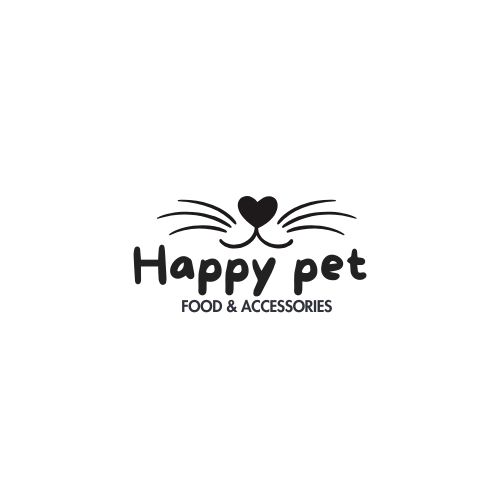
My 8.5-year-old Shih Tzu/Maltese mix rescue (Tofu, all white and fluffy, under 25 pounds) has had bad breath since he was a baby. It’s just part of him — no matter what I try, that doggy smell lingers. I’ve given him dental chews like Greenies, Pedigree Dentastix, and Milk-Bone brushing chews over the years. He loves basically all treats (he’s not picky at all), so he gobbles them up happily.
But honestly? They help a little with daily plaque prevention, but they don’t fix existing buildup or get rid of the smell completely. Tofu still needs regular vet cleanings under anesthesia to keep his teeth healthy. Dental chews add calories too (important for weight management), so I count them as part of his daily treats.
Vets say chews can reduce plaque by 20–50% if used daily (especially VOHC-approved ones), but they’re no substitute for professional cleaning or brushing. Natural options like celery or carrots are low-calorie alternatives that scrape plaque without the fat risk.
In this guide, I’ll share the best dental chews for dogs in 2026 — based on Tofu’s experience, vet advice, and owner reviews. I’ll be honest: they’re helpful for maintenance, but regular cleanings are key for bad breath and buildup.
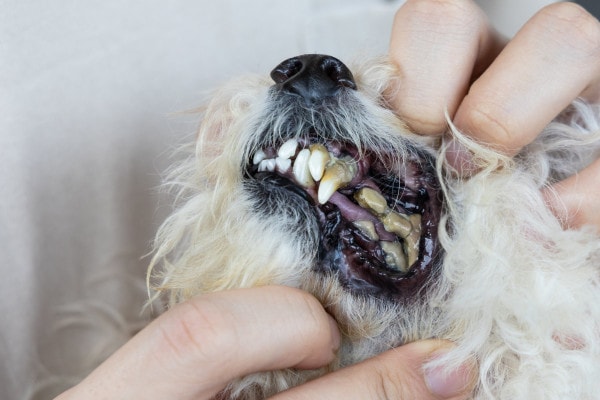
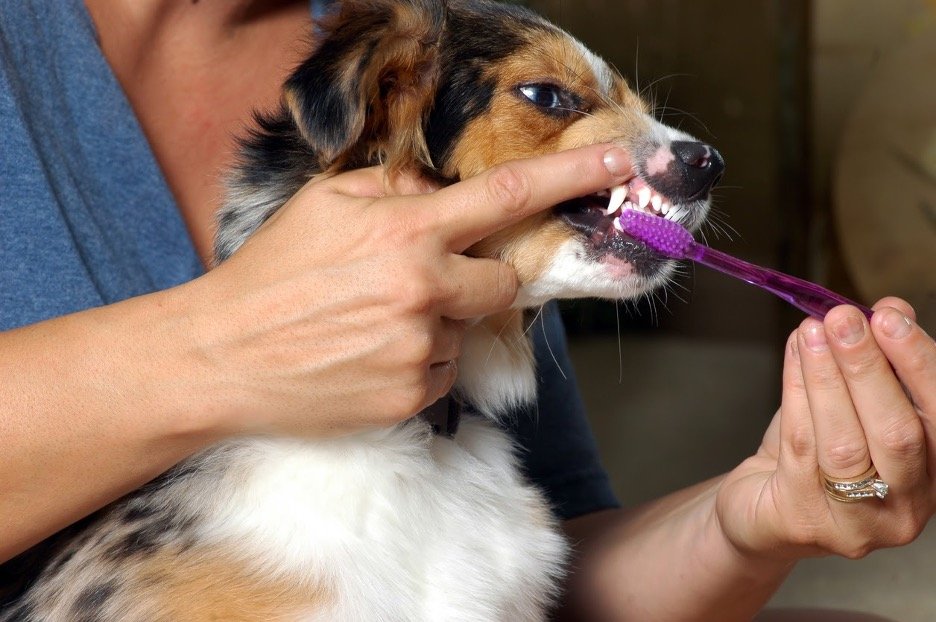
Caption: Bad breath is common in small dogs like Tofu — chews help, but vet cleanings are essential.
Dental disease affects 80% of dogs by age 3 — plaque turns to tartar, leading to gum issues, pain, and even organ problems.
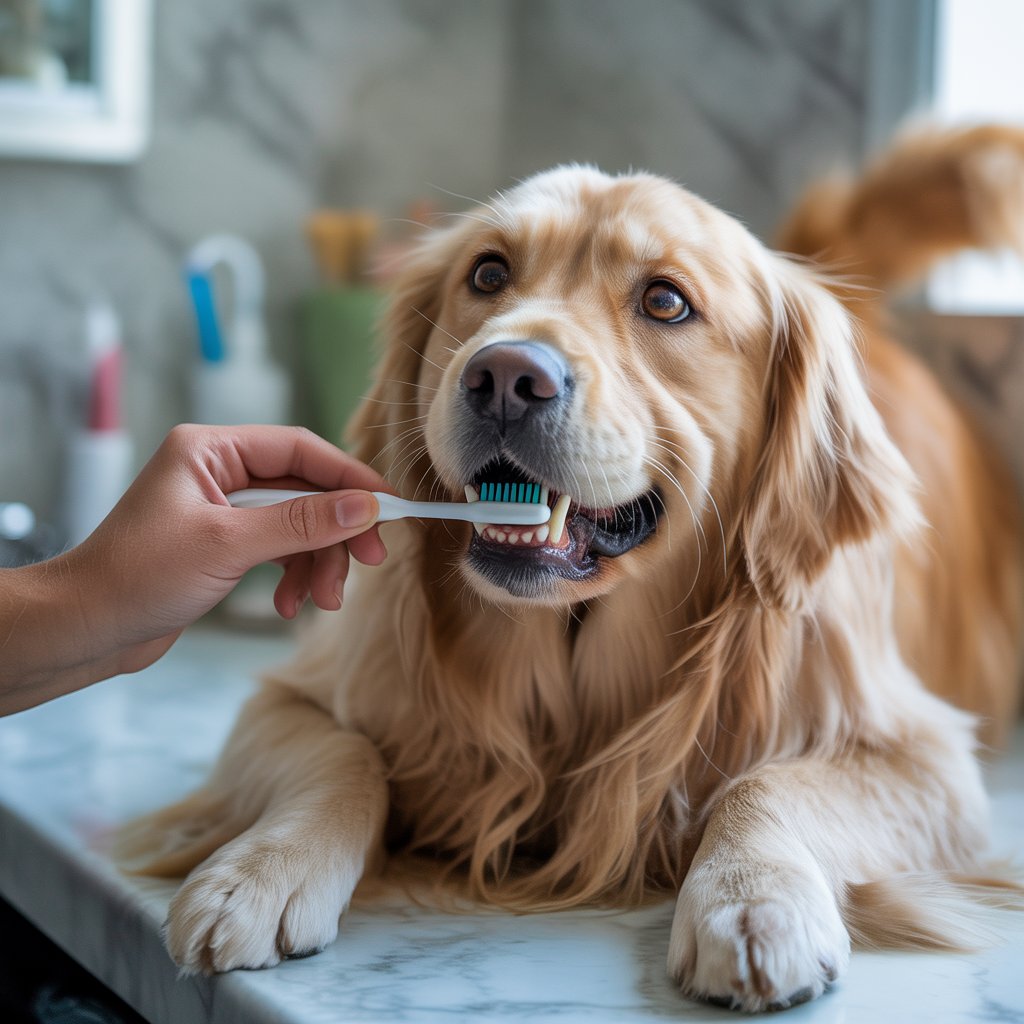
Chews work by mechanical scraping (texture rubs teeth) and sometimes enzymes. VOHC-approved ones have proven results in studies.
But limitations:
Tofu’s breath never fully improves with chews alone — he gets professional cleanings every 1–2 years.


Pros: Freshens breath temporarily, small/teenie sizes.
Cons: Calories add up.
Price: ~$15–$40.
Pros: Affordable, Tofu eats them happily. Cons: Not as effective for heavy buildup. Price: ~$10–$20.

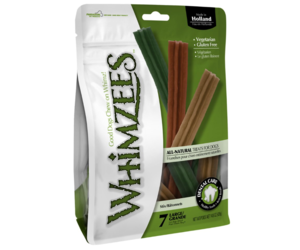
Pros: Lower calories, fun shapes.
Cons: Harder for very small teeth.
Price: ~$15–$30.
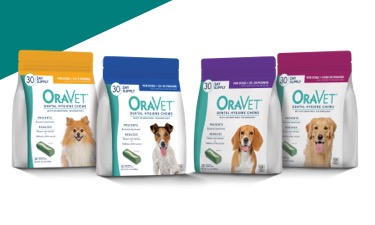

Pros: Vet-recommended for prevention.
Cons: Pricier.
Price: ~$30–$50.

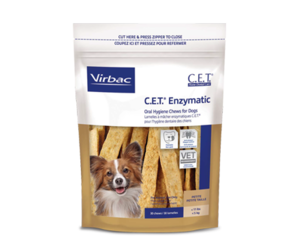
Pros: Effective for daily use.
Cons: Rawhide (supervise).
Price: ~$20–$40.

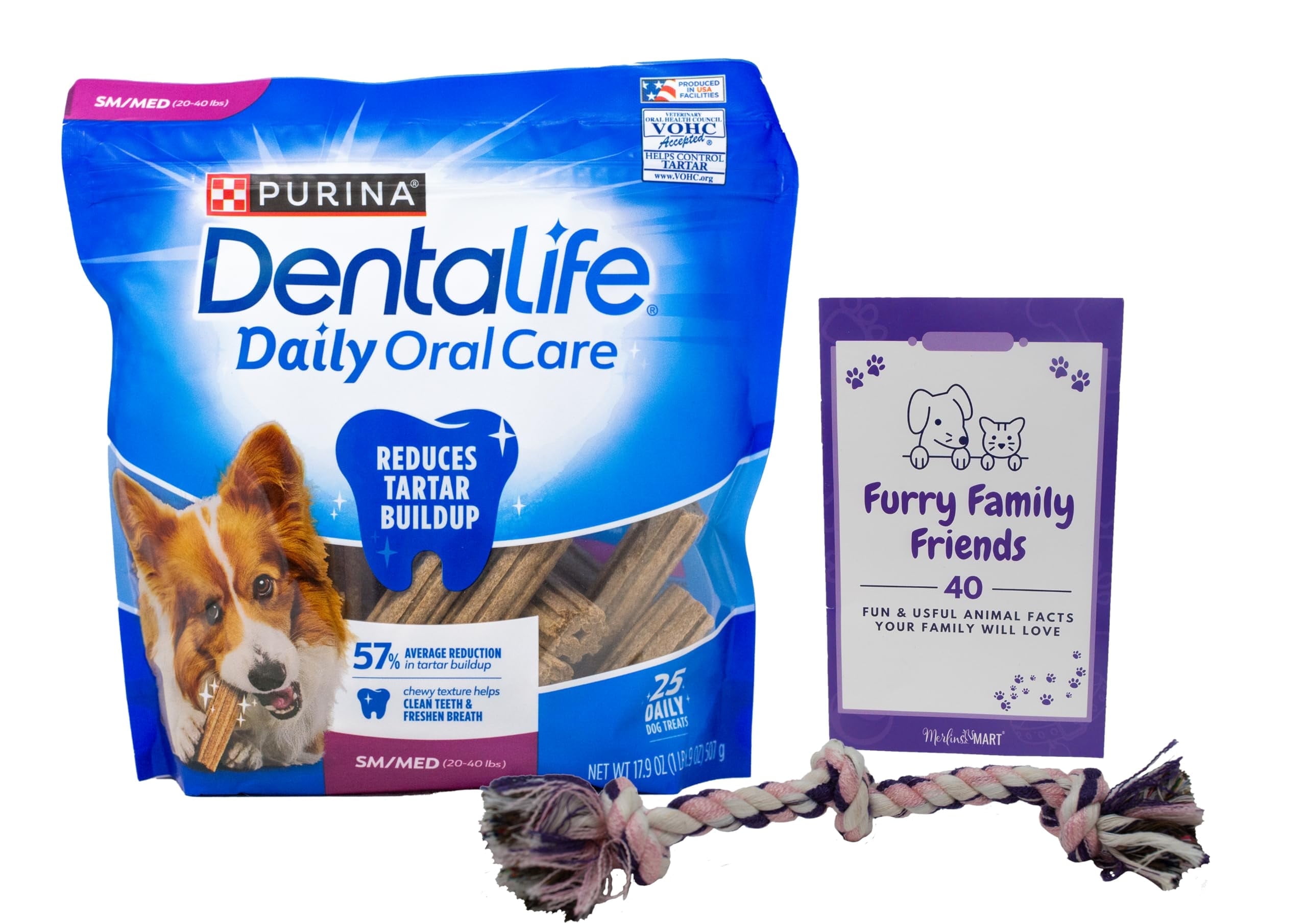
Pros: Affordable, small sizes.
Cons: Higher calories.
Price: ~$10–$25.
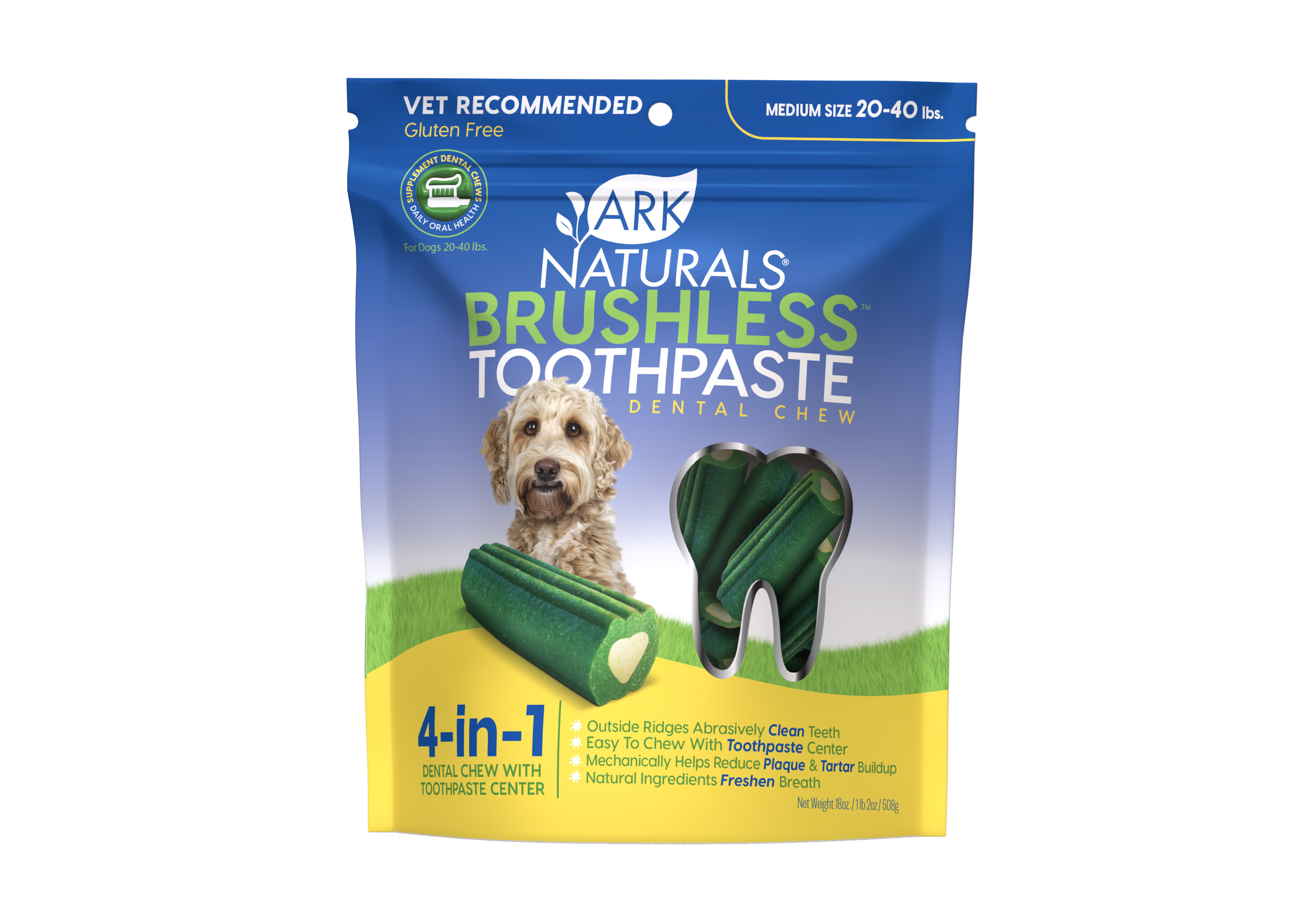
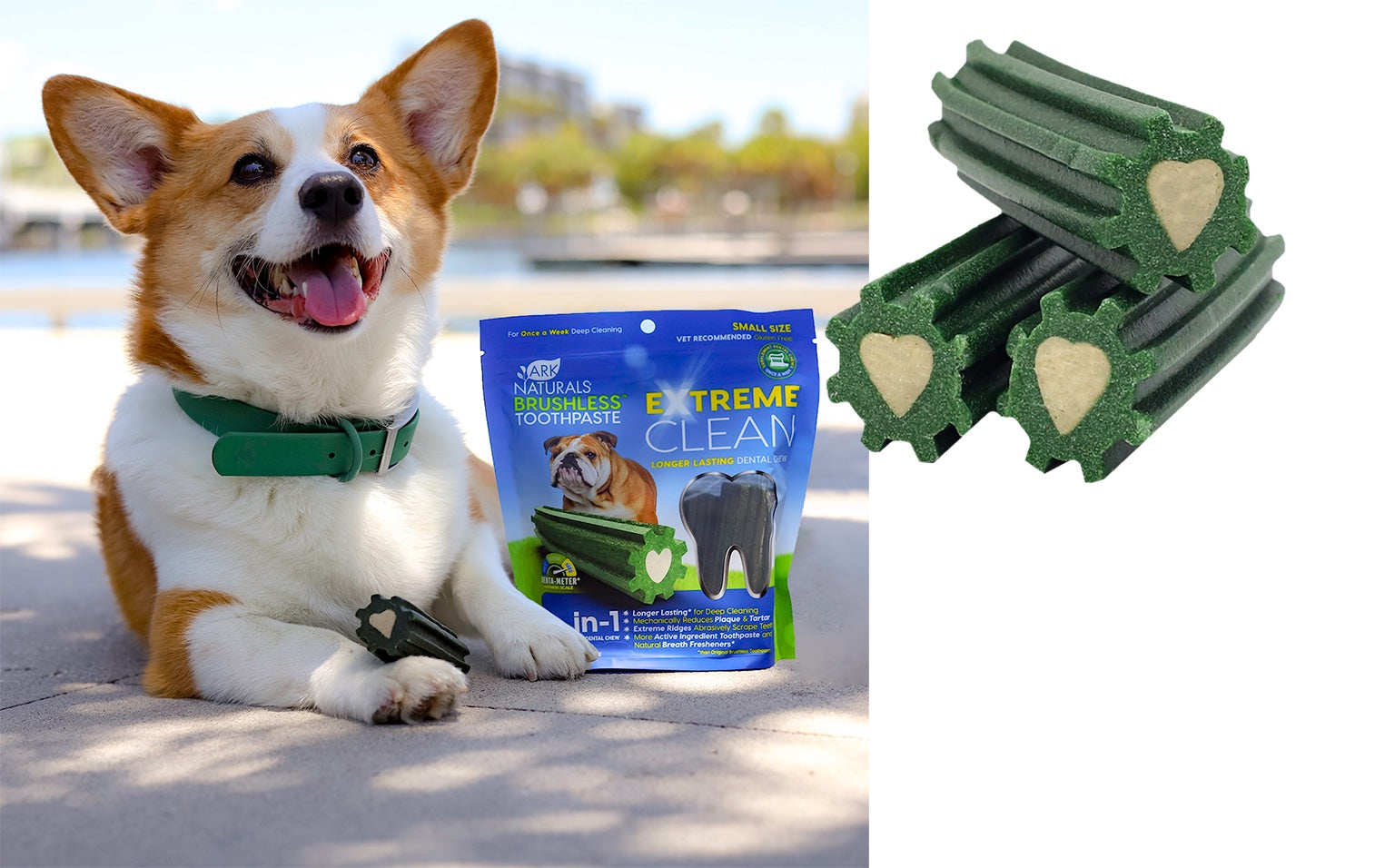
Pros: No brushing needed.
Cons: Mixed results on breath.
Price: ~$15–$30.
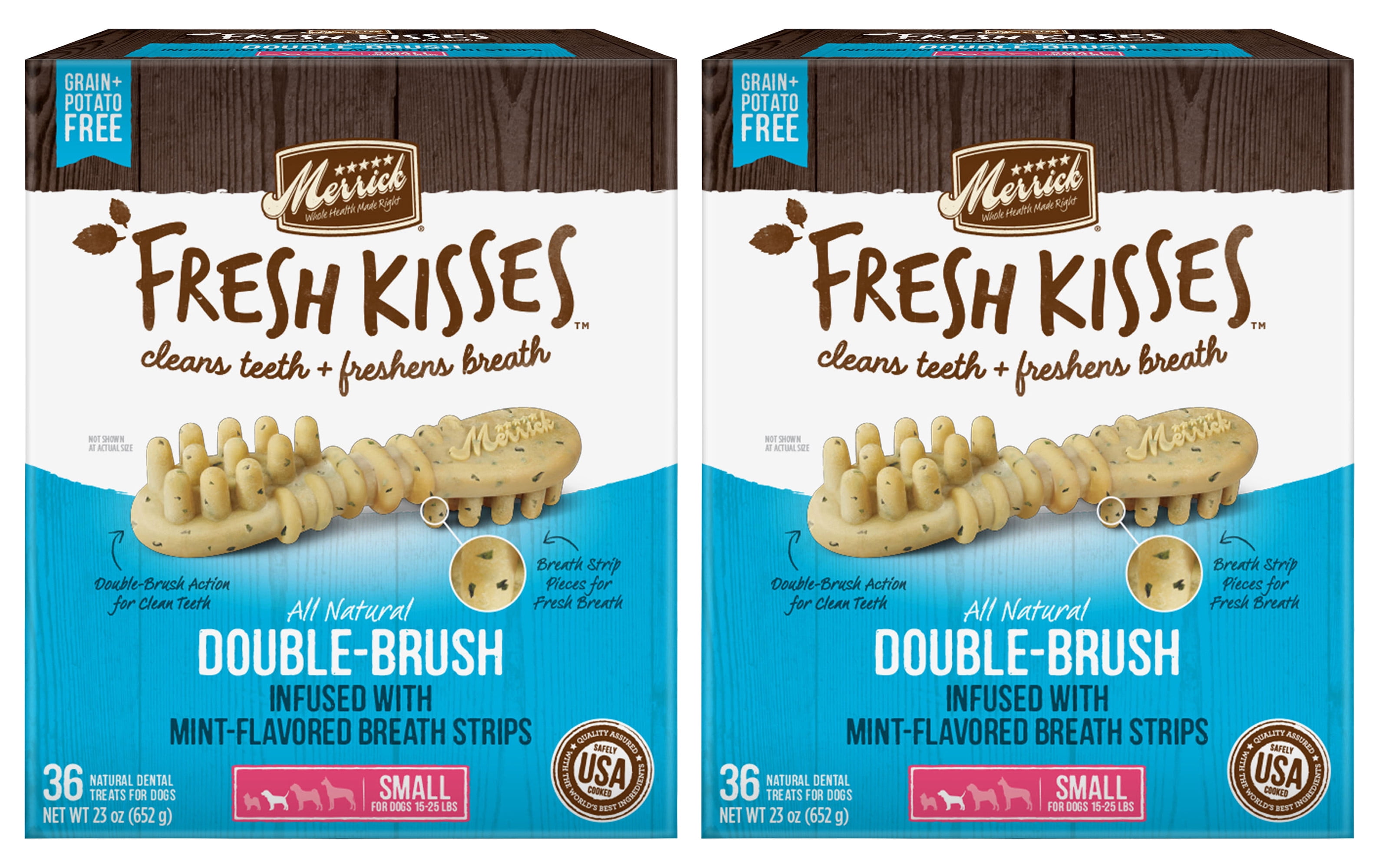
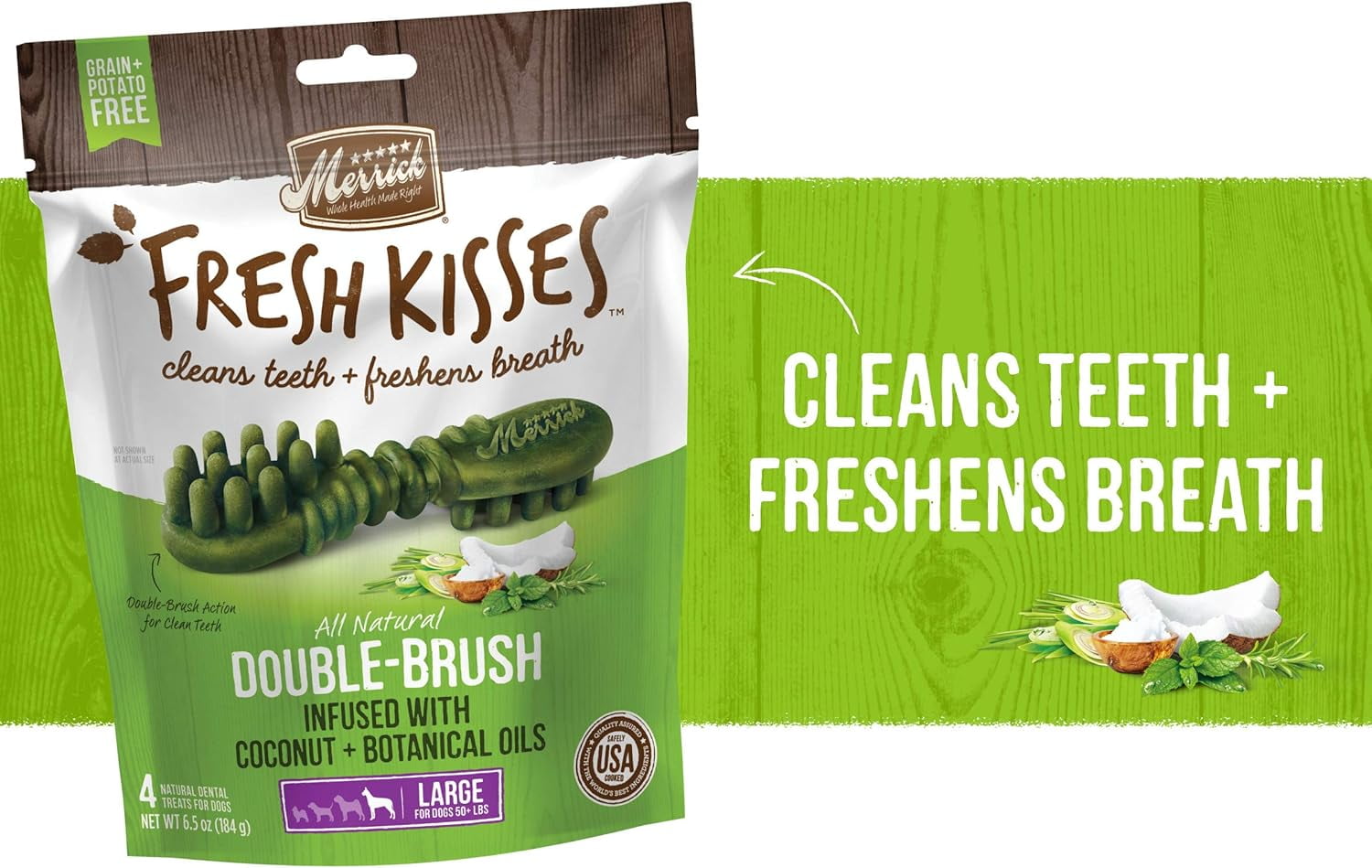
Pros: Natural, closes gaps.
Cons: Calorie-dense.
Price: ~$15–$30.
Dental chews help prevent, but for bad breath like Tofu’s, professional cleanings are key.
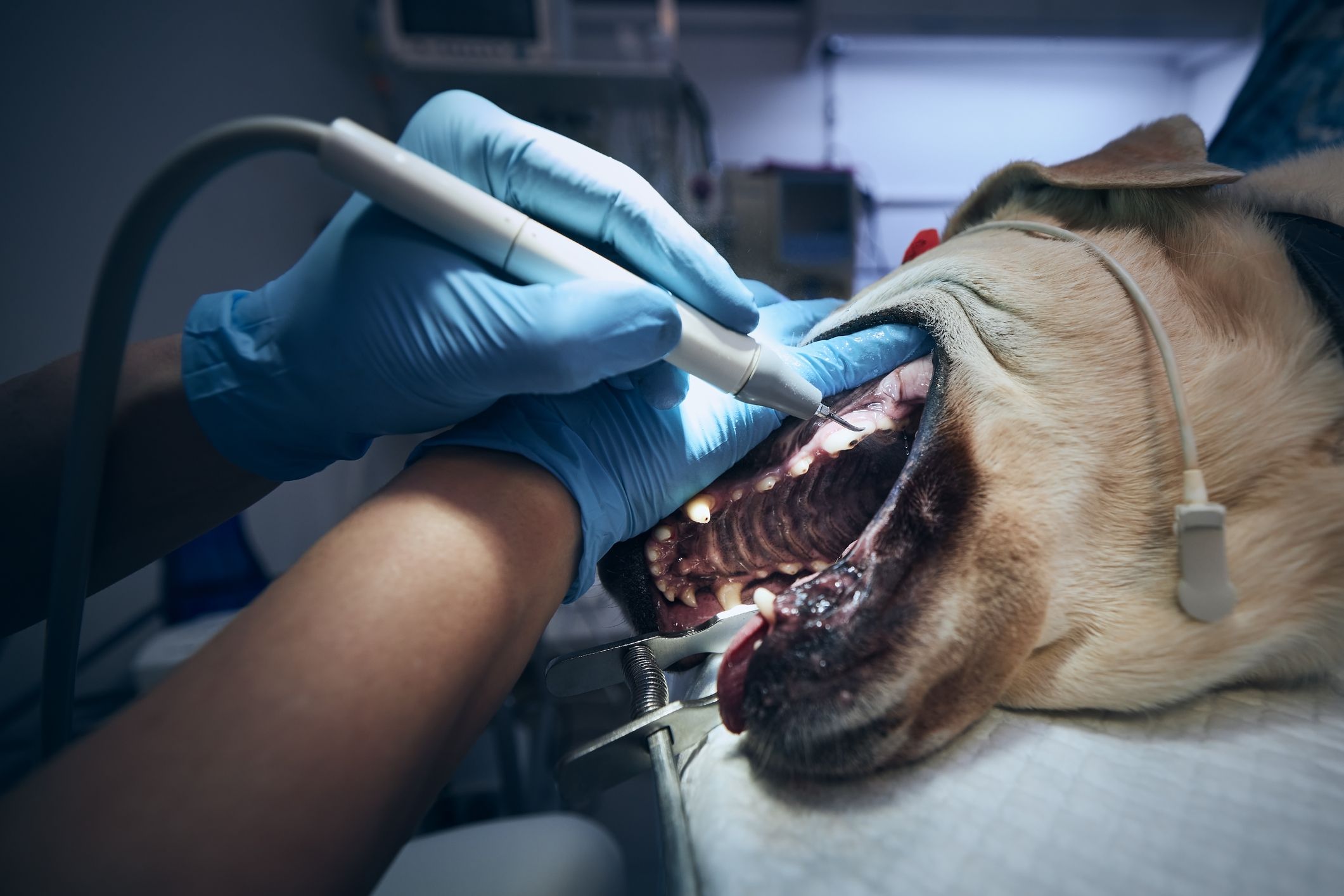

Caption: Vet dental cleaning — the only way to remove heavy tartar.
Low-calorie options: Celery sticks or carrot chunks (crunchy scraping, zero calories).
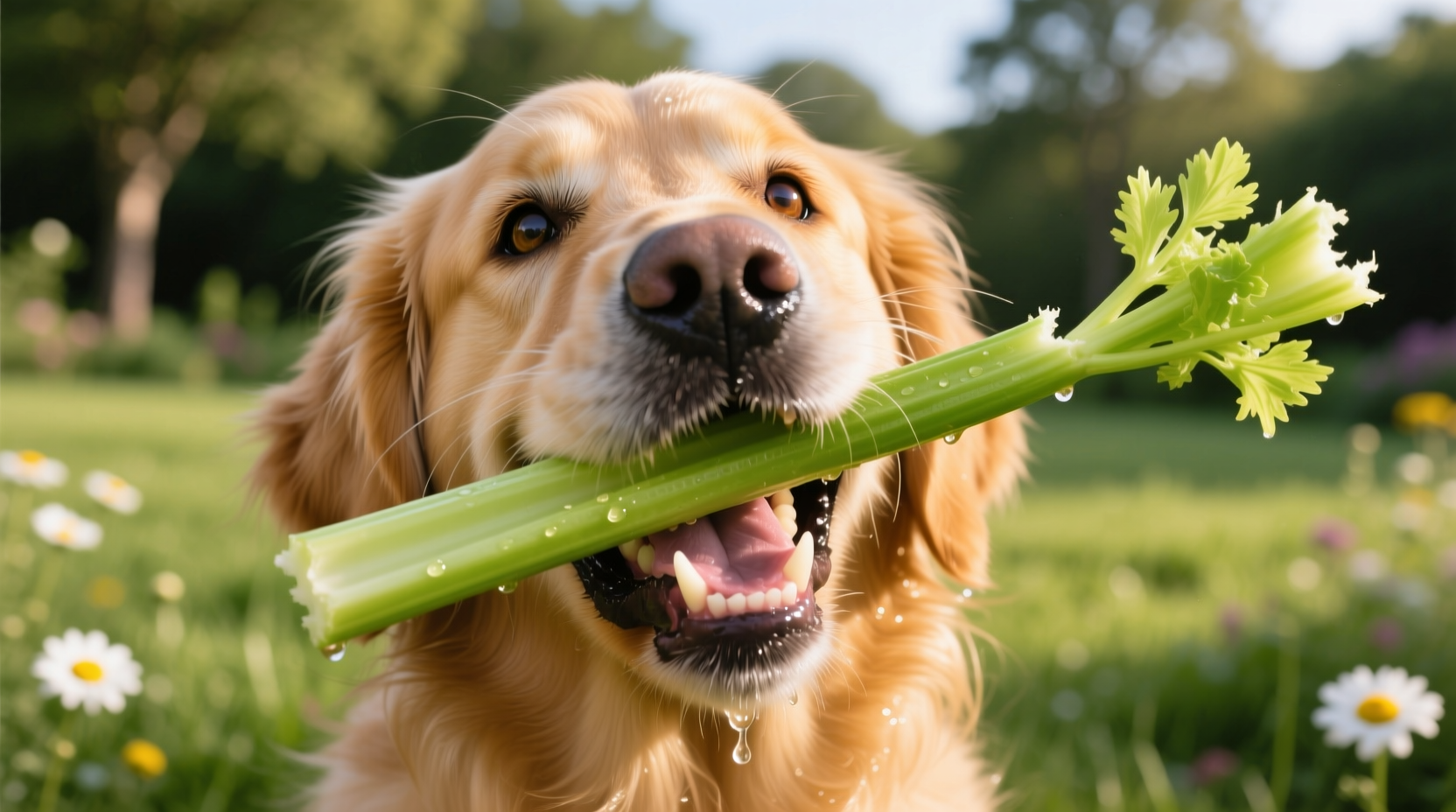
Tofu’s routine: Daily chew or natural veggie + annual vet cleaning.
Dental chews are a tool, not the full solution — combine with brushing, cleanings, and vet checkups.
What’s your dog’s dental routine?
Disclosure: As an Amazon Associate, I earn from qualifying purchases.